Family Members in War
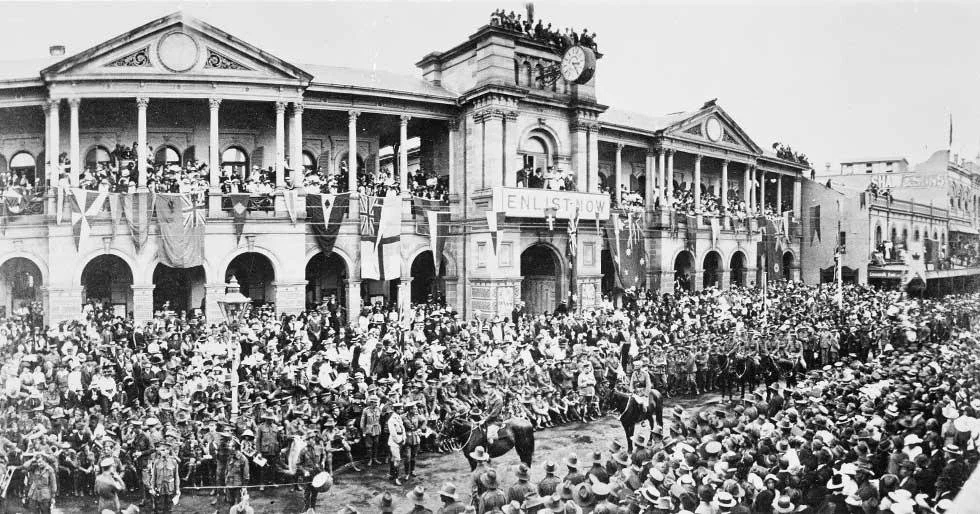
On Anzac Day, I remember Leslie Wright Mazlin, Norman Henry Mazlin, Frederick Robert Mazlin, Victor Alexander Mazlin, Maxwell Norman Anthony, and Thomas Charles Poulton, whose lives were marked by war and whose stories remain part of my family history.
An unexpected find: Ernest William Mazlin
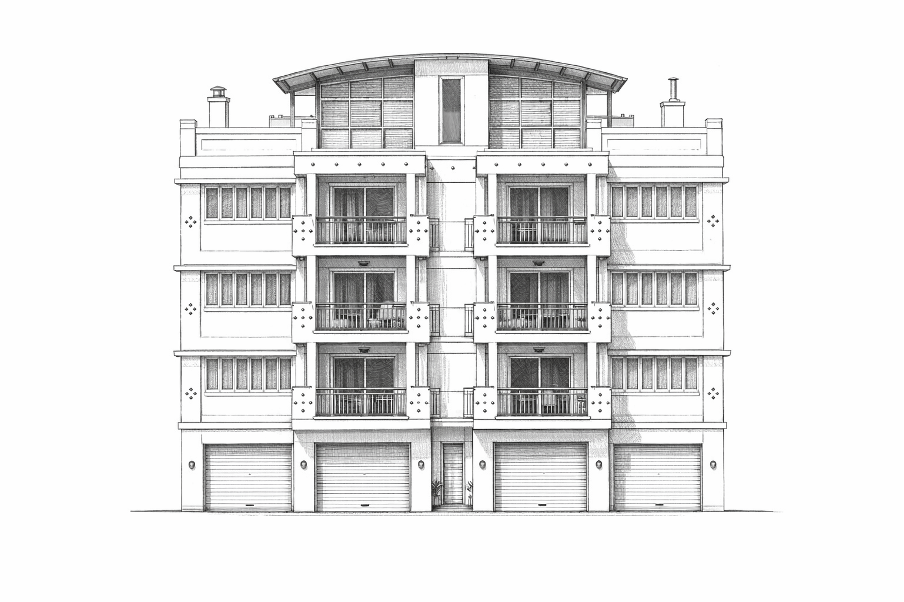
An unexpected discovery in my family history has revealed that Ernest William Mazlin, brother of my grandfather Victor Mazlin, was a prominent Queensland builder. A State Library of Queensland blog post links him to the heritage-listed Julius Street flats at New Farm and opens a wider story about building costs, family records, and one man’s place in Brisbane’s built history.
Getting Back to It
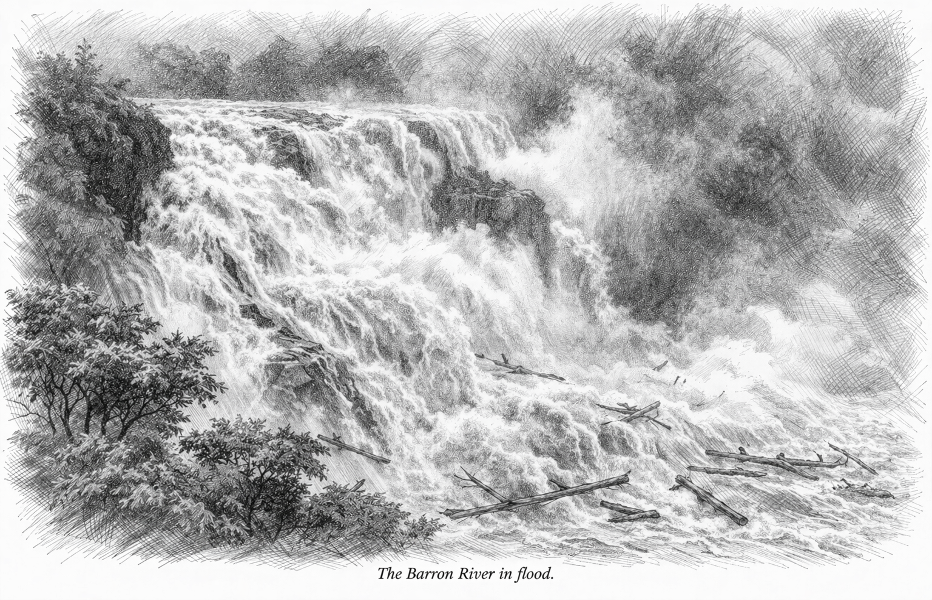
Work has kept me away for a time, but the project continues. I am now writing Chapter Four, following the Mazlin brothers into far north Queensland and a failed attempt to float cedar down the Barron River. New posts will follow soon, including an Anzac Day piece and the next stage of their story.
White Gold
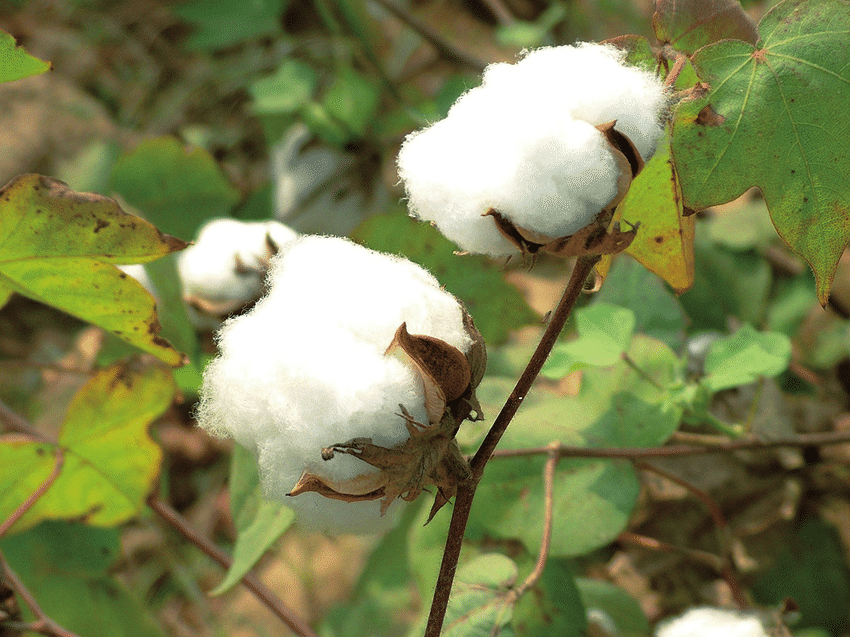
In the 1860s, cotton, nce hailed as “white gold”, was expected to transform Queensland into Britain’s next great supplier. For William Anthony and his family, the promise of land and prosperity was irresistible. Yet floods, droughts, pests, and labour controversies quickly undermined the dream. This post explores the rise and fall of Queensland’s cotton industry and the place of the Anthony family in that forgotten chapter of Australia’s past.
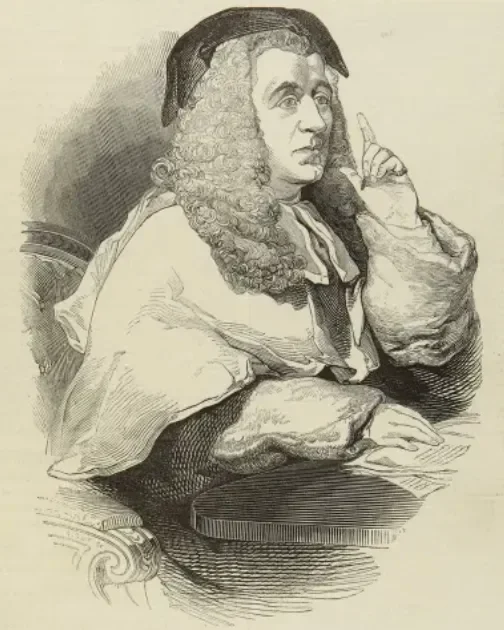
May God Have Mercy Upon Your Soul
Rain fell through the night, and in the muddy prison yard of Toowoomba Gaol, my great-great-grandfather Robert Anthony witnessed his first execution in 1870. Two men, an Aboriginal youth and a Chinese labourer, stood on the scaffold. It was frontier justice in its starkest form, shaping Queensland’s harsh beginnings.
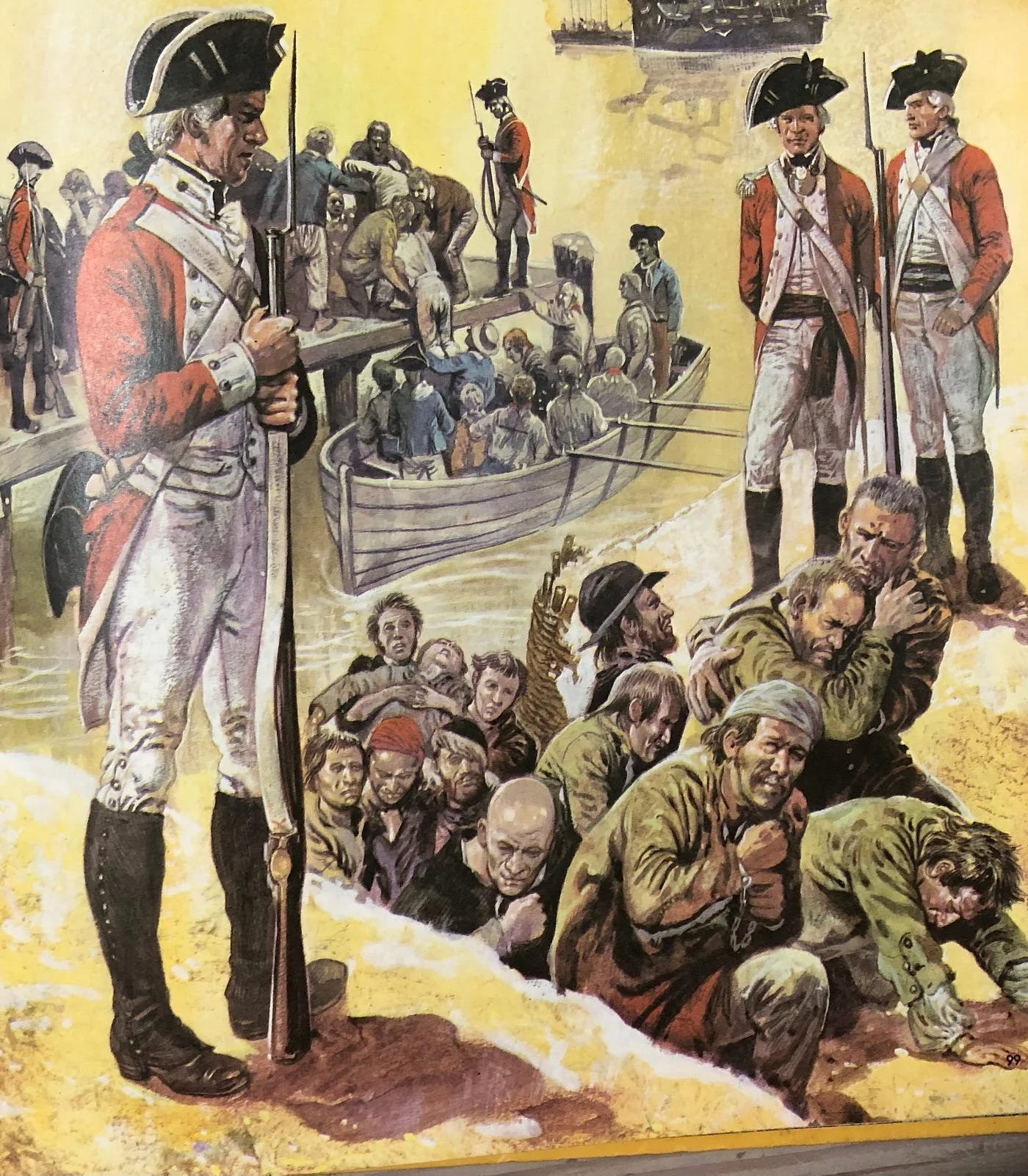
One in Five
One in five Australians descend from convicts — about 4–5 million people linked to the 160,000 men, women and children transported between 1788 and 1868. Once a source of shame, convict ancestry is now a point of pride, reshaping how Australians understand their past and themselves.
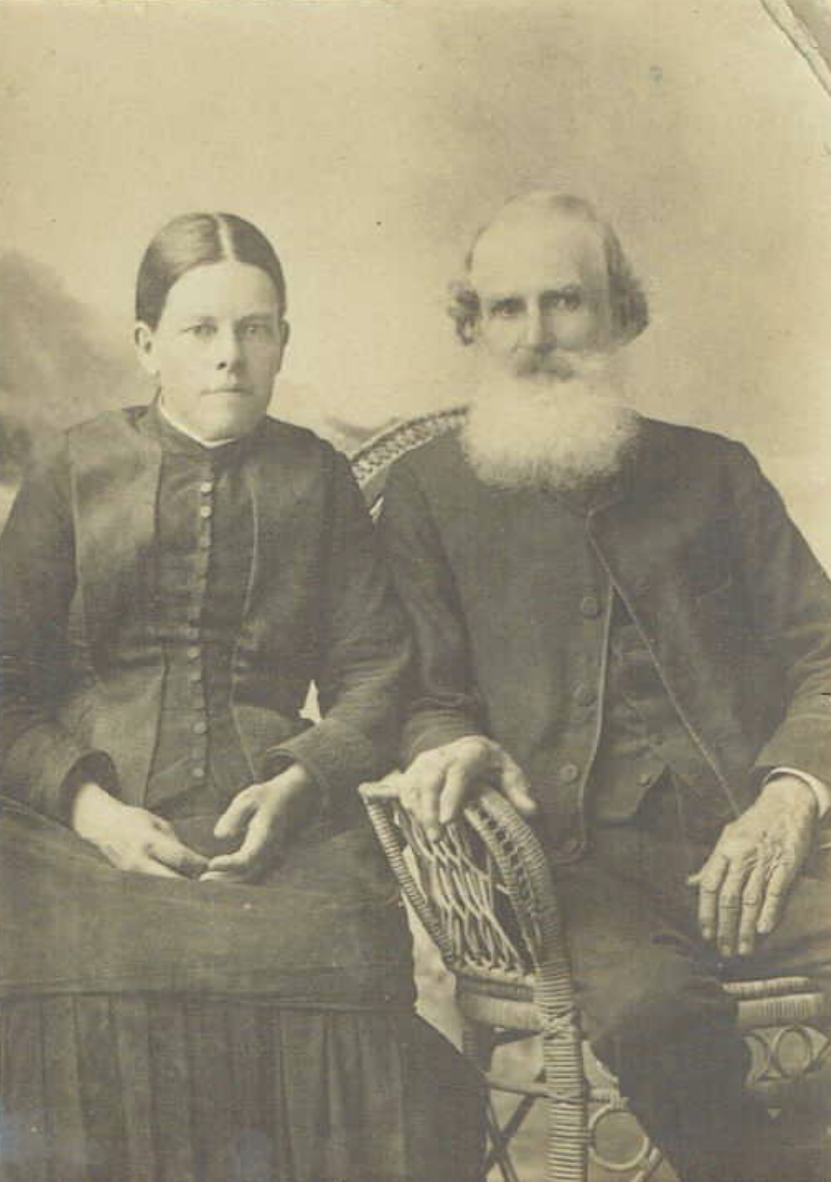
It's Not All Doom and Gloom
Much is written about generational trauma, but are we missing half the story? My great-great-grandfather, Thomas Mazlin, was born the son of two convicts and orphaned young, yet he built a successful life and raised a pioneering family. His story suggests that alongside hardship, our ancestors also passed down resilience, determination, and hope.
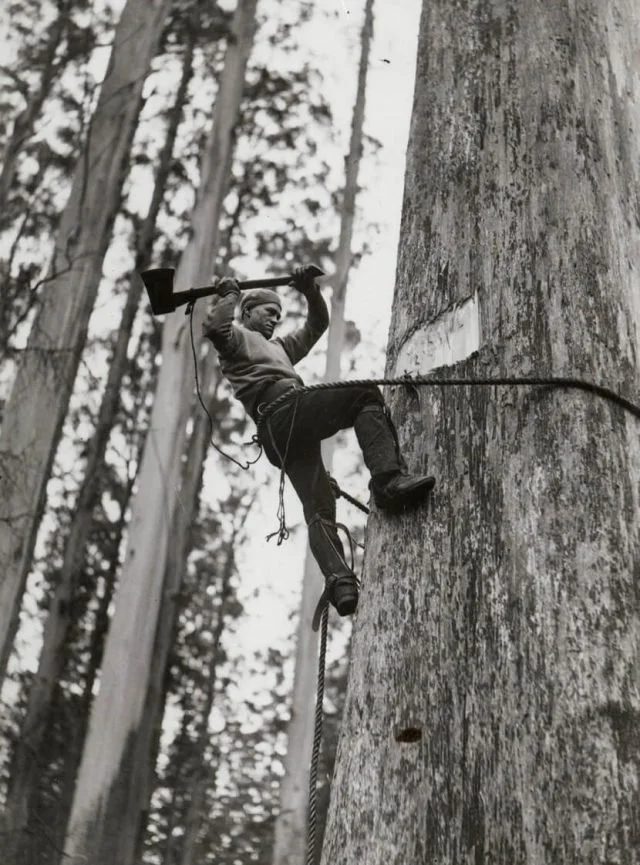
Red Gold
High in the canopy of a towering red cedar, my great-great-grandfather William Mazlin steadied himself to fell a tree that had stood for centuries. Discovering his role in harvesting Australia's 'red gold' filled me with mixed emotions: pride in his courage, unease about the irreversible destruction of ancient rainforests that his generation left behind."

Lagged for Life
A new chapter in the story of Hannah Brown, tracing her journey from conviction at the Old Bailey in 1813 to her arrival in Port Jackson aboard the Broxbornebury in 1814. This post explores the harsh conditions of the voyage, the ship’s near disaster in the Channel, and the resilience of the women aboard. You can read the full account on my Substack account.

The Bloody Code
Why were so many crimes punishable by death in 19th-century Britain?
This article explores the harsh legal system known as the Bloody Code, through the story of my great-great-great-grandmother, Hannah Brown, who was sentenced under its authority.
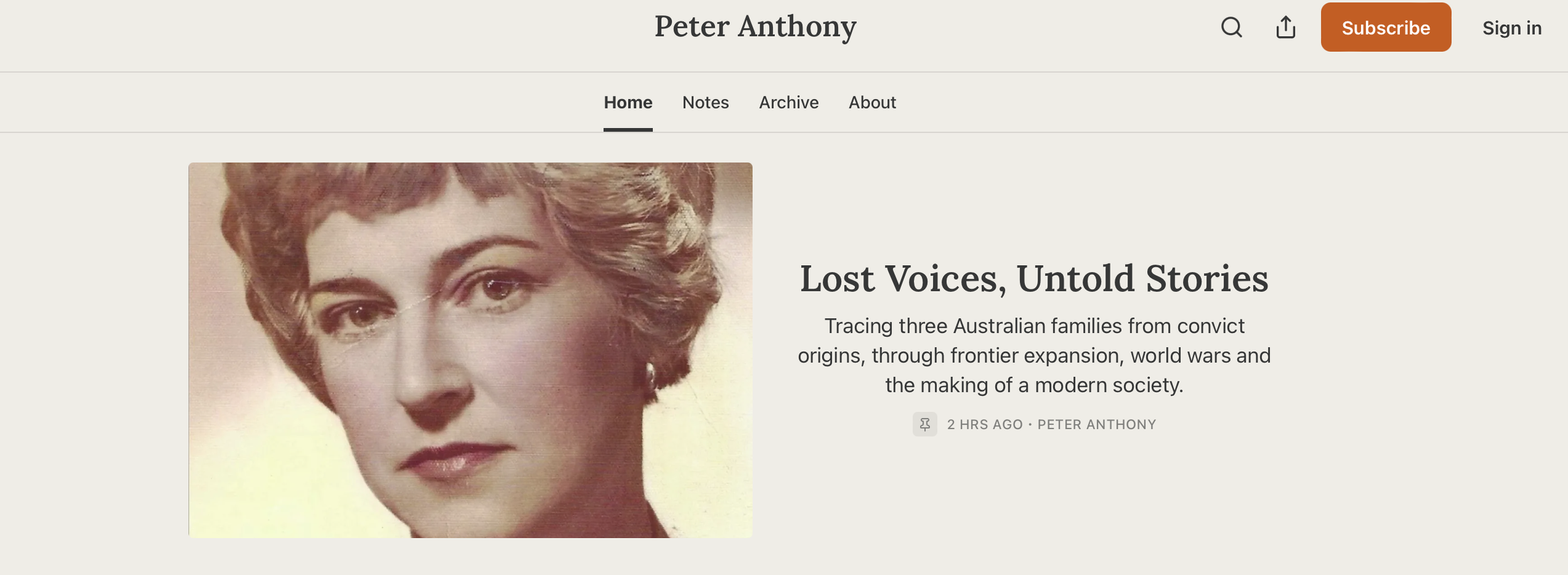
Substack: Lost Voices, Imearthed Stories
I’ve launched a new Substack—Lost Voices, Unearthed Stories—as a space to share fresh writing, research updates, and reflections on family history. It offers a quieter, more thoughtful alternative to social media and a way to connect with others who care about the past and how it shapes us.
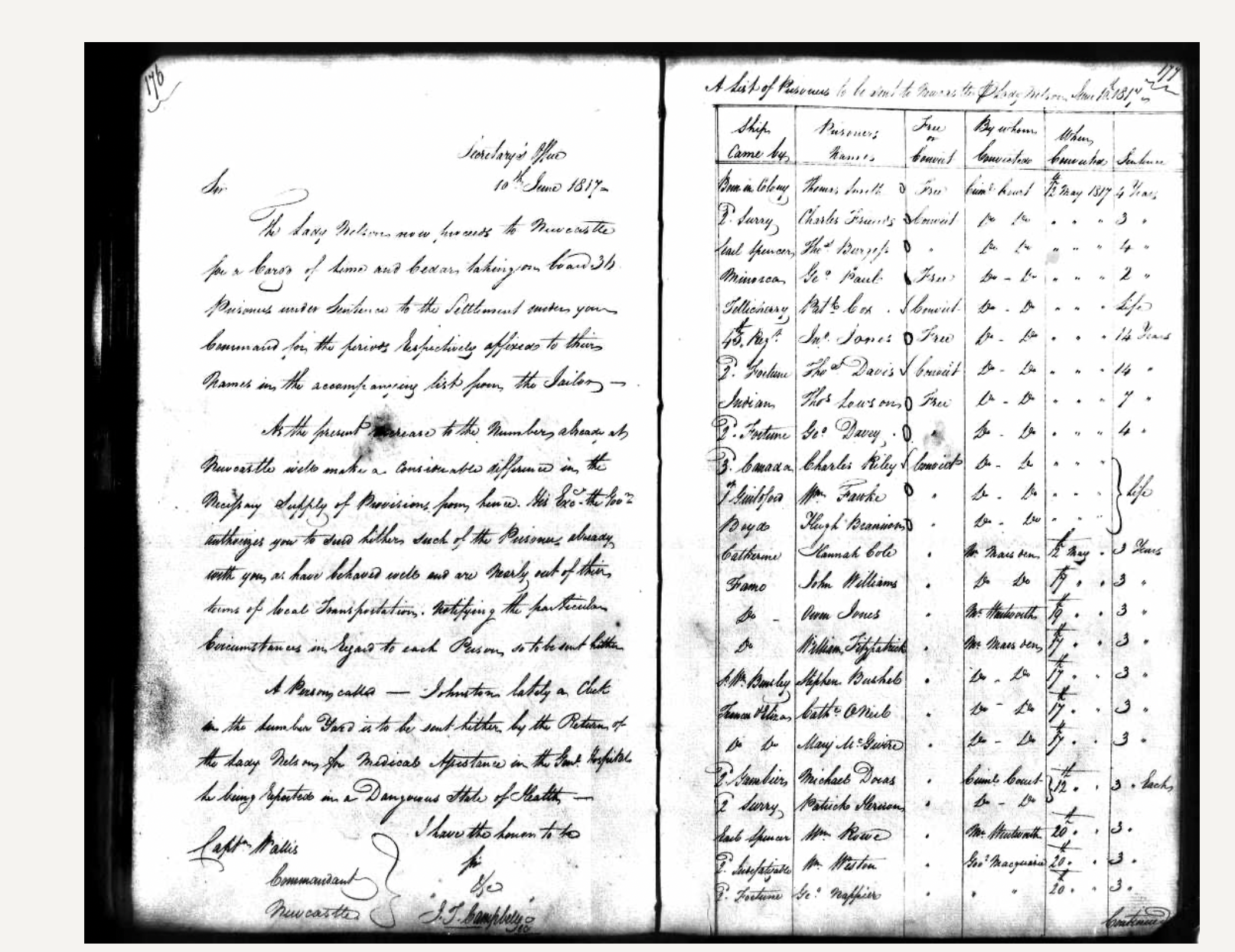
When the Pieces Fall into Place
A long-standing mystery in my family history has been how convict ancestors Hannah Brown and Thomas Maslin first met. Recent research into the Colonial Secretary’s Papers revealed Hannah’s assignment to surveyor George Evans in Newcastle—an associate of Thomas’s overseer, William Cox. This opens a plausible new explanation for their connection and highlights how scattered archival fragments can begin to illuminate long-obscured relationships.

Did Convicts Form Lasting Bonds at Sea?
What memories did convicts carry with them from the long voyage to Australia? This post reflects on the bonds that may have formed on board the convict ships—friendships, romances, and shared ordeals—and asks whether these connections endured once lives began again on Australian soil. Drawing on personal research into Hannah Brown and Thomas Maslin, it raises broader questions about silence, memory, and how the experience of transportation was remembered—or deliberately forgotten.

Connecting with the Past
This post reflects on two ancestors, Catherine Mazlin and Robert Anthony. Catherine, who married young and raised eight children in colonial bushland, and Robert, who made a teenage voyage from Ireland to Queensland in 1859. During this perilous journey, he cared for his younger sister. I have found a deeper connection to my past in understanding their lives through family research.

Hitting a Brick Wall
Every family historian eventually hits a brick wall—questions with no answers, documents that no longer exist, stories never told. This post explores those dead ends through examples from my own research and reflects on how we can respond to these gaps in our family narrative.

Rubber
This guest post by Susan Compton reflects on her grandfather’s time working for a British shipping company involved in the South American rubber trade. Drawing on family history and historical research, she raises powerful questions about colonialism and the legacy it leaves behind.

Why I’m Writing This Family History
A personal reflection on why I began this family history project—what it means to me, the stories I want to tell, and the people I hope to honour. Includes a link to the first chapter, Convict Origins.

Reading James Boyce’s Van Diemen’s Land: Reflections on a Penal Colony
While visiting Tasmania, I picked up a copy of Van Diemen’s Land by James Boyce—directly from the author at Hobart’s Salamanca Market. His book offers a clear and compelling account of Tasmania’s early years as a penal colony. It explores the colony’s convict system, environmental impact, and the dispossession of Aboriginal Tasmanians, prompting reflection on how these themes connect with my own family history research.

A Cargo of Women: A Window into the Lives of Female Convicts
Over the holidays, I read Babette Smith’s A Cargo of Women, a powerful account of female convicts transported to New South Wales. The book sheds light on their struggles, and as I read, I couldn’t help but draw parallels to my ancestor, Hannah Brown. Their stories reveal much about the lives of convict women and their role in shaping history.
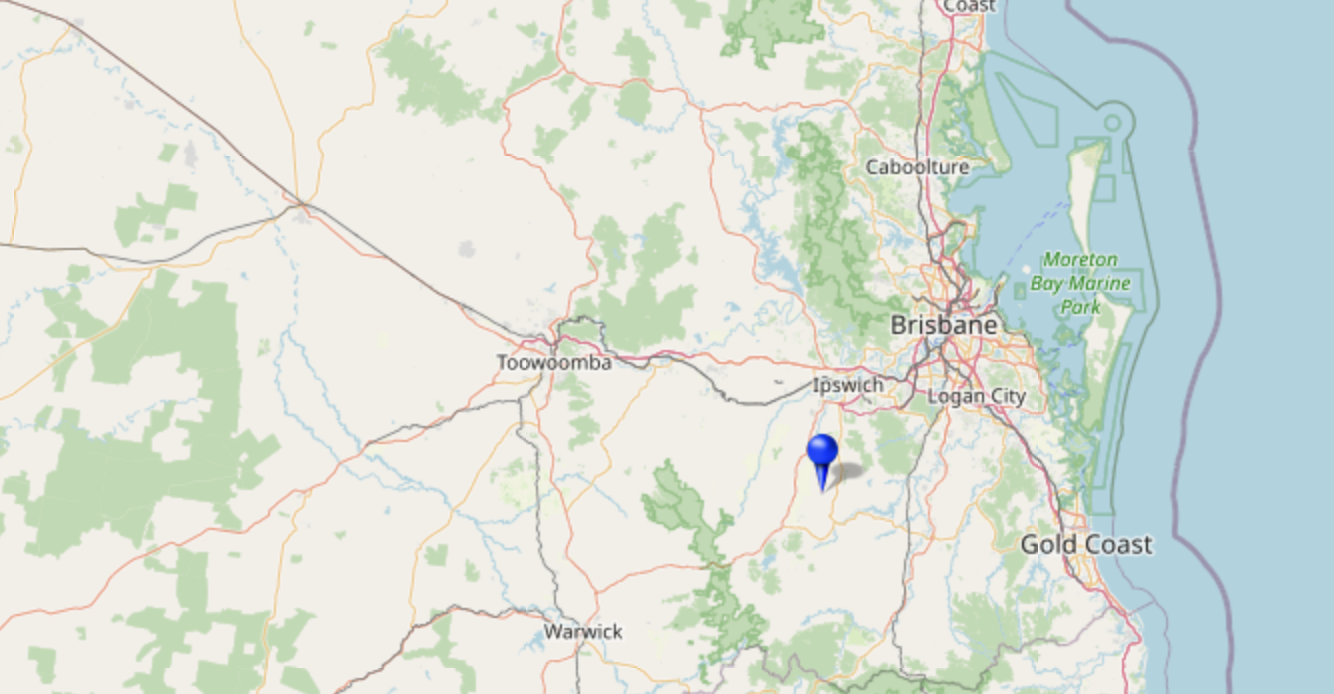
Discovering the Legacy of a Name: Anthony, Queensland
Discover the story of my great-great-great-uncle, William Anthony, whose legacy shaped the Scenic Rim region of Queensland. From pioneering cotton farming during the American Civil War’s cotton shortage to leaving his name on the map, the Anthony family played a pivotal role in the area’s development. This post explores the historical and cultural layers of the region, including its Aboriginal heritage, the Fassifern Railway Line, and the enduring significance of names that connect us to the past.