Family Members in War
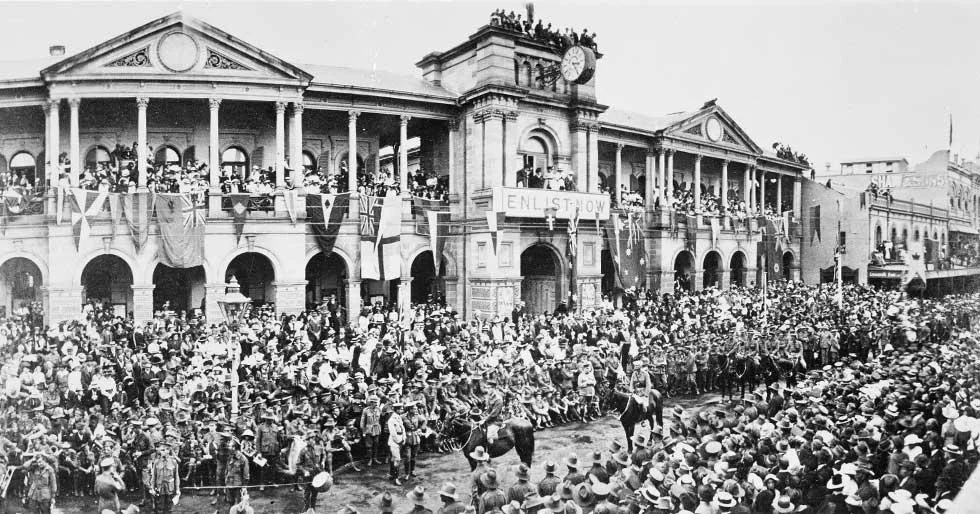
One of the first Anzac Day commemorations in Brisbane in 1916, when families like mine were already living with the losses of war.
One part of family history that I have found especially moving is the military service of family members. It is important to record these lives and to acknowledge what they did, whether they died in battle, survived wounds, or served in less visible ways. Yet it is also impossible to look at these records without feeling something of the waste of war, particularly when young men were caught up in campaigns far from home. The heaviest losses to this family were those who fell in the First World War, above all at Gallipoli. In 1915, Australian forces were committed as part of the British Empire's attempt to seize control of the Dardanelles and force the Ottoman Empire out of the war. They landed on the Gallipoli Peninsula on 25 April 1915, and for eight months held a narrow beachhead against determined Turkish resistance, suffering terrible casualties before the campaign ended in evacuation. It was one of the defining episodes in Australia's wartime history, and three Mazlin brothers from my family were caught up in it. Other family members served in the Second World War, particularly in North Africa, where Australian forces played a central role in holding the port of Tobruk against repeated German and Italian attacks in 1941, the first significant check to Axis expansion. These short accounts bring together the tragic experiences of family members in war.
Leslie Wright Mazlin
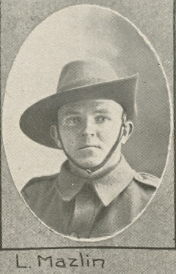
Leslie Wright Mazlin was born on 16 February 1894 in Herberton, North Queensland, and enlisted in the Australian Imperial Force in October 1914, among the earliest volunteers for overseas service. He served as a private in the 15th Battalion, which landed at Anzac Cove on the afternoon of 25 April 1915. Leslie was killed in action five days later, on 30 April, during the confused and costly fighting around the Anzac beachhead. He was twenty-one years old. He was buried at Beach Cemetery, situated at Hell Spit on the southern point of Anzac Cove, one of the first graves dug there after the landing.
Leslie was my great-uncle.
Norman Henry Mazlin
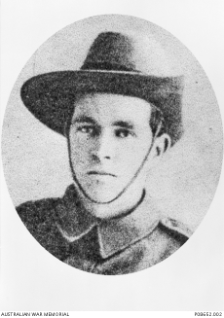
Norman Henry Mazlin was born on 24 April 1892 in Herberton, North Queensland, and enlisted alongside his brother Leslie in 1914 as part of the first wave of volunteers. He served as a private during the Gallipoli campaign and was killed in action on 10 August 1915, during the August Offensive, a major Allied attempt to break out from the confined Anzac positions that involved repeated assaults on heavily defended Turkish lines and resulted in catastrophic casualties. Norman was twenty-three years old at the time of his death. He was buried at Embarkation Pier Cemetery, on the north side of Ocean Beach at the northern end of the Anzac sector, a cemetery that came into existence precisely because of the August Offensive and the desperate attempt to evacuate its wounded.
Norman was my great-uncle.
Frederick Robert Mazlin
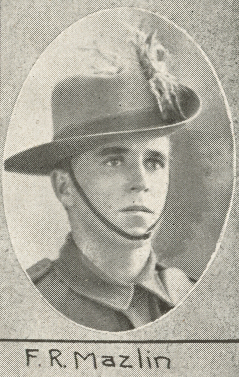
Frederick Robert Mazlin was born in Herberton, North Queensland, and enlisted in the Australian Imperial Force in 1914 at the age of twenty-four. He served as a trooper in the 5th Light Horse Regiment, part of the 2nd Light Horse Brigade. The Light Horse were mounted infantry, men trained to ride but fight on foot, and the 2nd Brigade was sent to Gallipoli as dismounted reinforcements in May 1915 after it became clear that the infantry ashore were insufficient to hold the beachhead. During the early fighting, Frederick was wounded by a gunshot to the leg and evacuated from the peninsula to hospital in Egypt. He survived his injuries but was later returned to Australia as medically unfit for further service. His experience stands in sharp contrast to that of his brothers who were killed in the same campaign, a reminder of how much chance determined who lived and who did not.
Frederick was my great-uncle.
Victor Alexander Mazlin
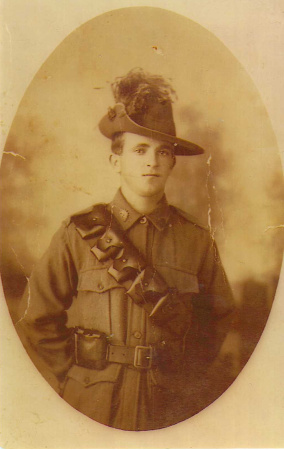
Victor Alexander Mazlin, the youngest of the brothers, was born in Herberton, North Queensland, and enlisted in a Light Horse unit during the First World War. He did not serve overseas. He was injured during training in Australia before he could be deployed, and his war service ended at home. His experience reflects another dimension of the war, that injury and circumstance could shape a soldier's path before he ever reached the battlefield.
Victor Mazlin was my grandfather.
Maxwell Norman Anthony
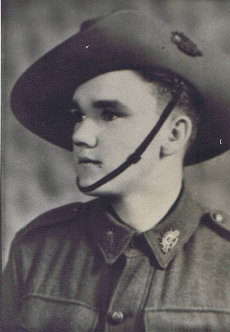
Maxwell Norman Anthony was born on 10 January 1923 at the Mothers Hospital, James Street, Toowoomba. He served as a sapper with the 2/7 Field Company of the Royal Australian Engineers in the Second AIF. A sapper was a combat engineer, responsible for essential and dangerous work such as building defences, repairing roads, and laying and clearing minefields, often under enemy fire and in exposed forward positions. On 25 April 1941, during the early stages of the siege of Tobruk, Maxwell was part of a reconnaissance party operating in a forward area while Australian forces were strengthening the town’s defences. According to the official war diary, the vehicle carrying the party struck a mine. He was evacuated after the explosion but died on the way to the Advanced Dressing Station. He was buried at Tobruk War Cemetery, situated some seven kilometres inland from the port, in the burial ground established during the siege itself.
Maxwell was my uncle.
Thomas Charles Poulton
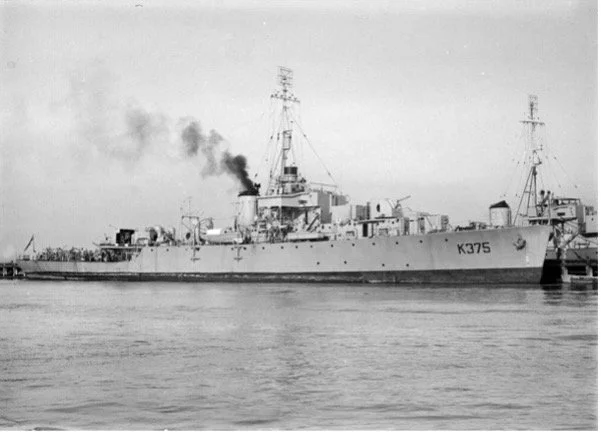
Able Seaman Thomas Poulton served on the HMAS Barcoo in the last year of the Pacific War.
Thomas Charles Poulton was born on 5 October 1926 at Booval, Queensland, and joined the Royal Australian Naval Reserve in Brisbane on 28 November 1944, shortly after turning eighteen. His civilian occupation was recorded as a postal assistant. His initial training took place at HMAS Cerberus, the navy's main training establishment on the Mornington Peninsula in Victoria. The surviving service record shows a series of shore and depot postings, including HMAS Moreton in Brisbane and probably HMAS Barcoo, although some of the later entries are too faint to read with certainty. He entered the navy in the closing months of the war and did not take part in the major naval campaigns of the conflict, though he was part of Australia's wartime mobilisation and remained in service after the Japanese surrender. The record indicates he was released from active service in October 1945 and formally demobilised on 11 November 1946, with his deferred pay settled later that month.
Thomas Charles Poulton was my stepfather.
